You might have seen reports recently about new research which has shown that some of Van Gogh's colours are fading and altering in his paintings. His paintings are of course around 125-130 years old now.
It seems to be a problem with his yellows especially. Layers of varnish which were added later to his paintings appear to have absorbed some of the surface layers of the oil paint, leading to a dulling or fading effect.
This is one of the paintings which art restorers have been looking at, called Flowers in a Blue Vase. Paint was extracted and examined in two areas (marked).

Cadmium yellow, which is this colour
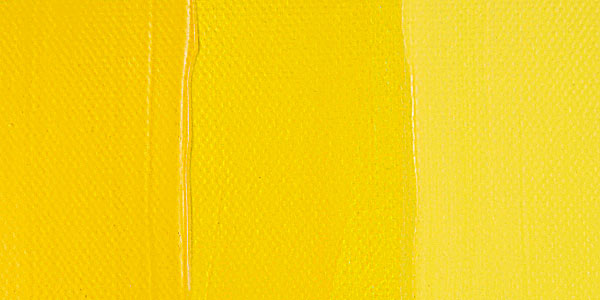
had turned a greyish-orange colour and had cracked. Normally cadmium yellow gets paler and less vibrant as it ages. However, in this painting the cadmium has formed oxalates
within the surface layer of varnish.
Ironically, this varnish wasn't put on by Van Gogh himself, who preferred his paintings to have a natural raw 'genuine' feel, rather than a pretty finished look. The varnish was applied by later dealers, conservators and private individuals in accordance with popular taste and accepted practice of the time. However, the fact that some of the paint surface has been drawn into the
varnish creates a troubling problem for present day conservators, who of course want
to prevent any further degradation but are duty-bound not to remove any
original material.
Van Gogh also used chrome yellow a lot, which is a sharper, more acidic colour (cadmium is a more eggy colour).

Here's that chrome yellow in action in the background, along with cadmium yellow and yellow ochre (the more mustardy shade) on the flowers.

Vincent van Gogh, Sunflowers
For Van Gogh, the colour yellow in all its forms symbolised feelings of love, life, hope, positivity in the future. However, chrome yellow is affected by sunlight, darkening to a brown
shade over time. New analysis using sophisticated X-ray techniques shows that the cause of the problem is a "reduction" reaction that alters
the chemical make-up of the chromium in the paint.
As you can tell by the names, these pigments are made from the colour-bearing metallic elements at the centre of the periodic table. You don't really want to tangle with cadmium, lead, titanium, chromium or anything else in the paint too much - although as an artist, you do get covered in the stuff. It's not really advisable to ingest it, although artists do have a habit of 'tipping' their brushes - licking the ends to get a fine point. Charles Rennie Mackintosh, for example, tipped his brushes whilst painting his watercolours in the south of France, and ended up dying of oral cancer.
Back at the Van Gogh's, the Van Gogh Museum in the Netherlands is on the case as regards the fading and altering pigments. However, what about those paintings that are in private hands or in less pro-active or cash-strapped institutions?
It could mean that, without conservation, we will be looking at some
very faded and brown Van Gogh's in a hundred years time. With colour so bound up with meaning in Van Gogh's work, it would fundamentally alter the essence of his paintings.


